Skip to content

Find a property

Popular areas

Tunbridge Wells · St Johns

Living in St Johns.

The TN4 strip running north from Tunbridge Wells centre — period family homes, walk-everywhere convenience, and the Skinners’ catchment that drives prices on Boyne Park, Mount Sion and Madeira Park.

  • TN4
    Postcode
  • Skinners’
    Catchment
  • 8 min
    Walk to TW station
  • Period
    Family homes
  • St John’s
    C of E Primary
  • Common
    Five-min walk

Estate agents in St Johns

Thinking of selling, letting or buying in St Johns?

Kings Estates is the independent, owner-led estate agency in Tunbridge Wells, and St Johns sits squarely in the patch we know best. Mike, Gemma and Tom personally handle every valuation, every offer and every let — no handing-off to a junior, no scripted opening.

If you’re thinking of selling, letting or buying in St Johns, the three routes below are the obvious next step.

Local market authority

St Johns is its own market — not just the north end of TW.

St Johns runs as a distinct submarket within Tunbridge Wells. The shape of the housing stock, the Skinners’ catchment, and the convenience of being a pocket walk-everywhere change pricing dynamics in ways the postcode-wide TN4 average misses.

We’ve sold and let in St Johns for many years. Specific roads — Boyne Park, Mount Sion, Madeira Park, Beulah Road — have buyer audiences that don’t cross over to the rest of TN4. Pricing strategy here is a road-level conversation, not a postcode one.

Living in St Johns

Period houses, walking distance to everything.

Where it sits

North of the centre, south of the Common

St Johns runs along the spine of St Johns Road from the Five Ways junction north toward the Sandown Park edge of town. The Common borders the south end; St John’s Park, the recreation ground, breaks up the housing pattern at the north end.

Schools

Skinners’ on the doorstep

Skinners’ School (one of the three TW grammars) sits on St John’s Road. St John’s C of E Primary is on Boyne Park. Both feed the buying audience here directly. Catchment for Skinners’ flexes year-on-year — confirm priority distance with admissions before committing.

Period stock

Boyne Park, Mount Sion, Madeira Park

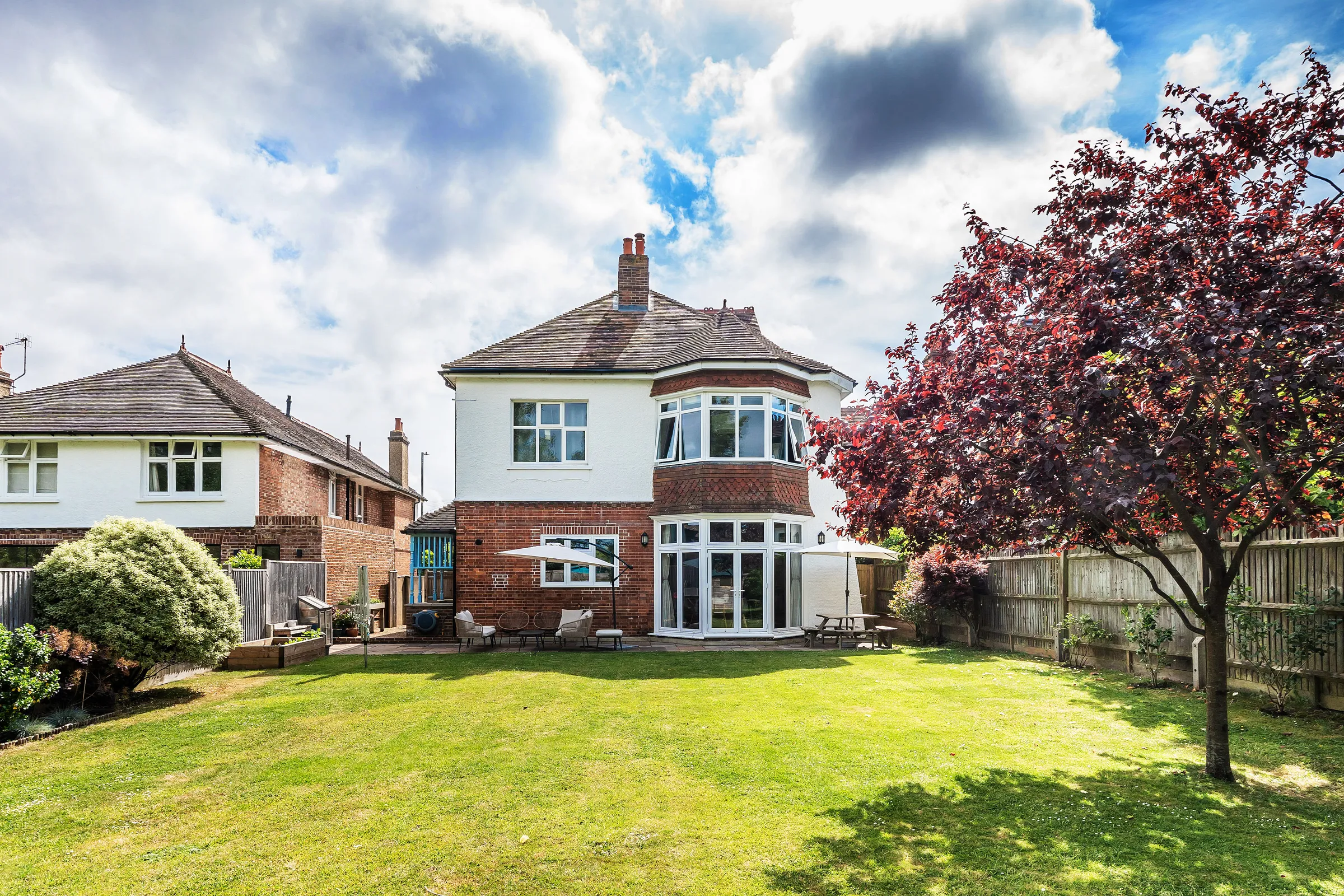
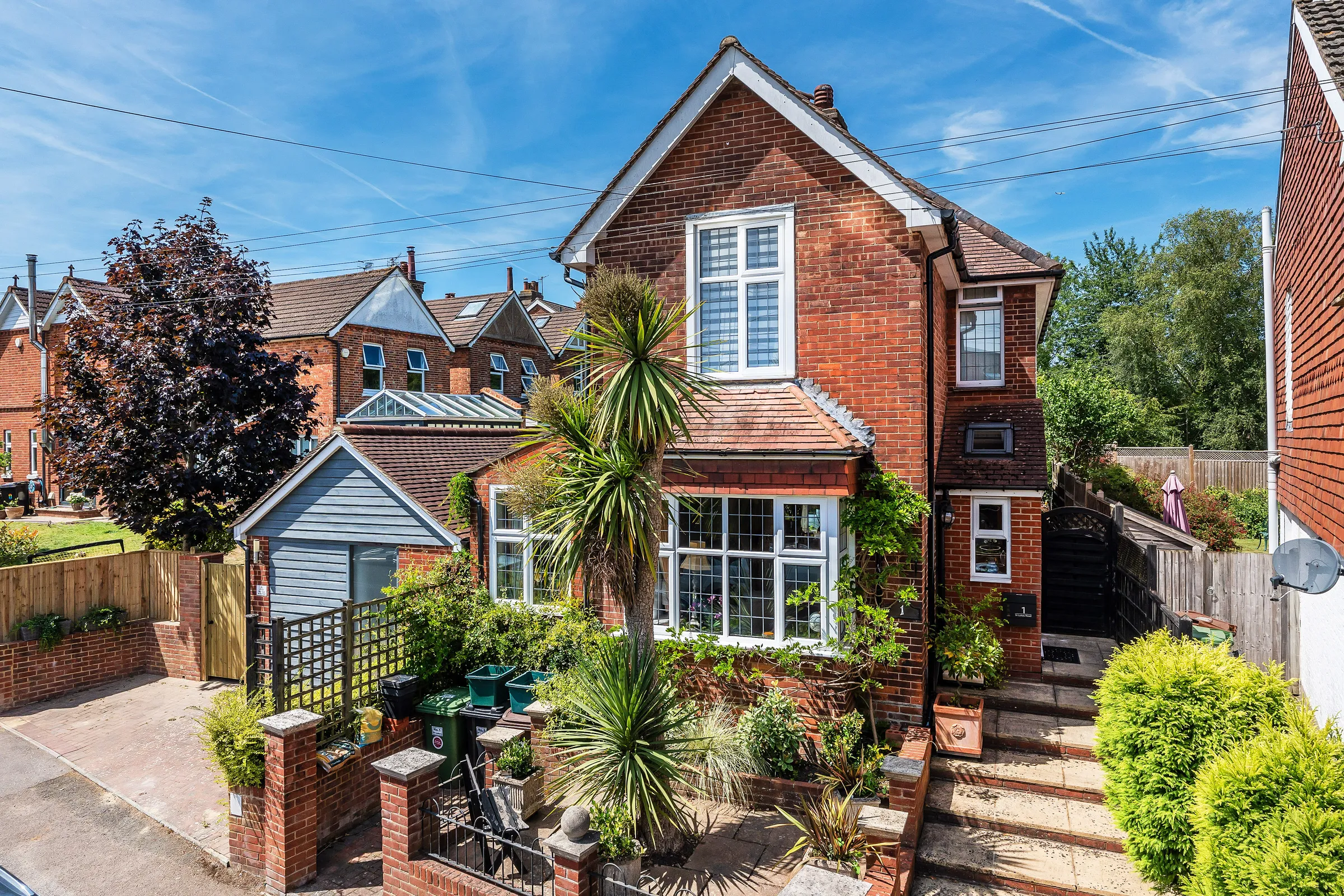
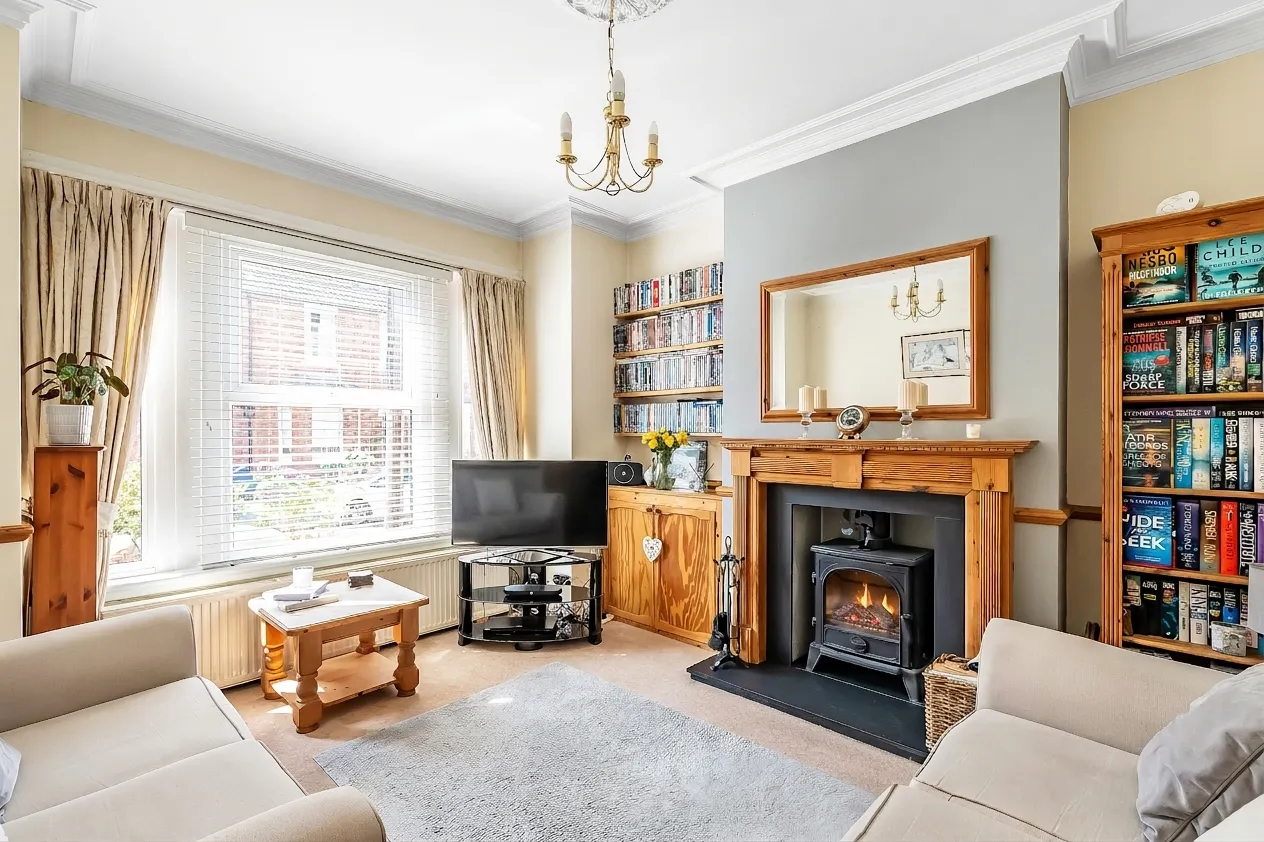
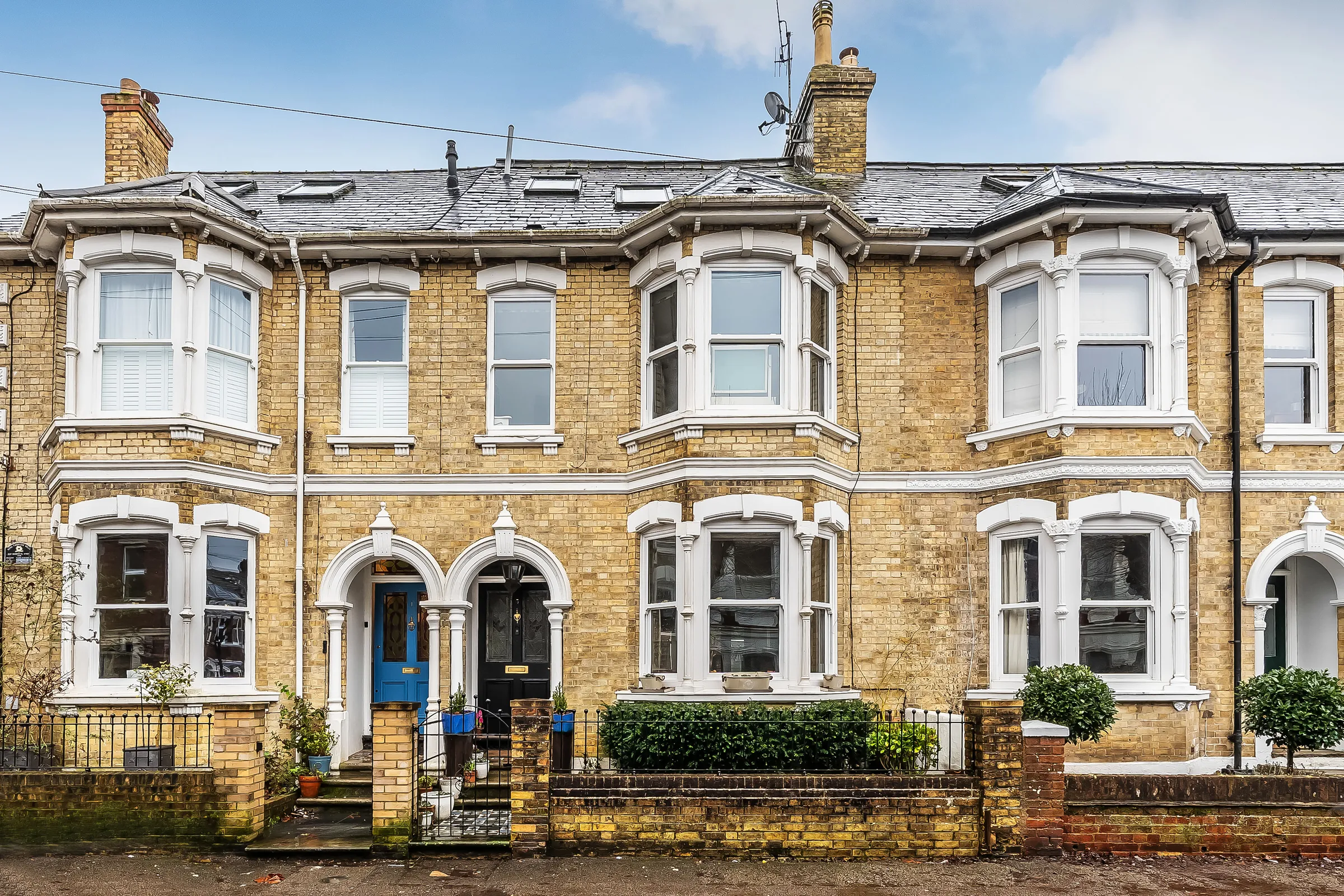
St Johns’ best-known roads carry a consistent character of late-Victorian / Edwardian semi-detached and terraced houses with original features. Generous bay windows, original tile paths, sometimes garages converted to studio space. Tightly held — turnover on these roads is famously slow.

Walk-everywhere

Eight minutes to the station

From Mount Sion to the station platform takes about eight minutes. The Pantiles is fifteen. The Common starts at the bottom of the road. Camden Road’s independent retail strip is a five-minute walk. Most St Johns residents are car-light if not car-free.

Explore the area

St Johns, in detail.

Schools (with current Ofsted ratings), train stations, amenities, recent sold prices, broadband speeds, mobile coverage, environment risk and street view — all in one interactive panel from Locrating. Use the menu on the left of the panel to switch between layers.

Commuting from St Johns

Walk to the mainline — TW central from your front door.

St Johns sits within walking distance of Tunbridge Wells mainline — most addresses are 8-15 minutes on foot. The Southeastern service runs to London Bridge in the high-40s peak and Charing Cross direct via Waterloo East. High Brooms station is a slightly shorter walk from the northern end of TN4 and serves the same line.

DestinationViaFastest peakFastest off-peakTrains/hr
London BridgeTW · Southeastern47 min55 min4–6
London Charing CrossTW · Waterloo East · Southeastern58 min1 hr 5 min2–4
Tunbridge Wells stationWalk · 0.5–1 mile8 min12 min
High Brooms stationWalk · 0.4–0.8 mile8 min10 min

Permit-zone parking applies across most of St Johns. Walk-to-the-mainline lifestyle is the headline reason buyers pay the TN4 premium for the area.

Property in St Johns

The kinds of homes we know best.

01

Period semi-detached

The dominant typology — late-Victorian and Edwardian semis on Boyne Park, Mount Sion, Madeira Park, with three or four bedrooms, original features and walled gardens.

02

Period terraces

Tighter terraces on Beulah Road, Norfolk Road, Granville Road and the Mount Pleasant fringe — strong rental demand, popular first-time buyer stock when conditions allow.

03

Larger family houses

Detached and substantial semis on the Boyne Park / Madeira Park axis sell with a meaningful premium. School-driven, road-driven, cycle-resistant.

04

Apartments

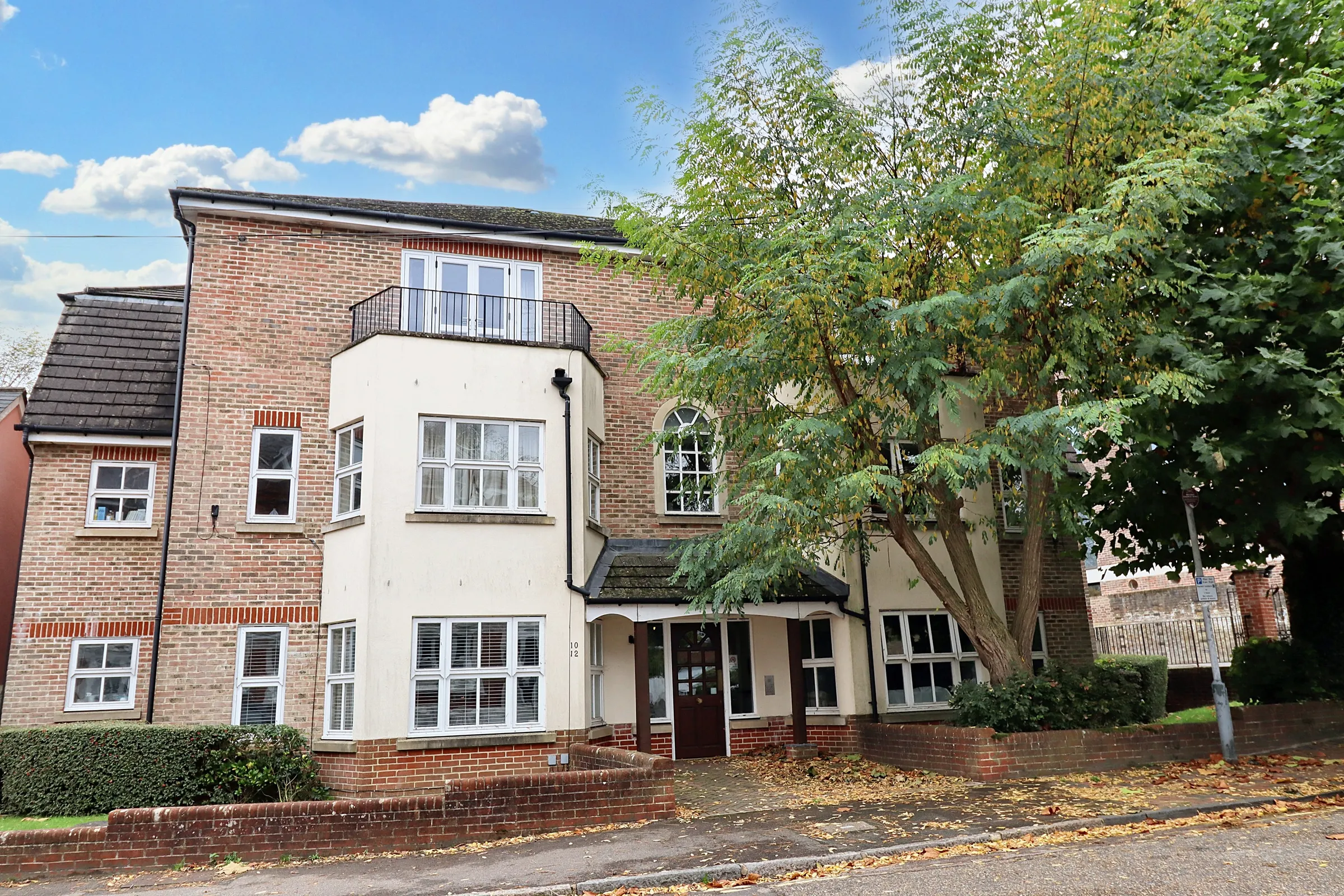
Period conversions on St Johns Road and the lower Mount Pleasant / Mount Sion stretch — investment stock, professional-let demand near the station.

Free instant valuation tool

How much is your St Johns home worth?

Get an instant online valuation in 60 seconds — backed by a free St Johns property report you can keep. Enter your address, we’ll show you a price range and the live local market data behind it.

An indicative figure to start the conversation. For an evidence-backed valuation, book a 30-minute home visit with one of the directors.

Selling in St Johns

Director-led sales valuations.

Road-level comparable evidence, honest opening price, presentation review. Mike, Gemma or Tom personally — never a junior.

Book a sales valuation

Letting in St Johns

ARLA-accredited lettings.

Mike Heath leads our lettings — MARLA · FNAEA, full Renters’ Rights Act compliance, 386 pre-registered tenants, average 14-day let.

Book a lettings valuation

Frequently asked

Common questions about
St Johns.

Specific question we haven’t covered? Call us on 01892 533367 or drop us a line.

  • What's the catchment for Skinners' School from St Johns?

    Skinners’ sits in the heart of St Johns. Boyne Park, Mount Sion, Madeira Park, Beulah Road and the immediate surrounding streets sit comfortably inside the typical priority distance, but boundaries flex year on year — and the Kent test result is the prerequisite. Confirm priority distance with Skinners’ admissions team before committing to a road.

  • How does St Johns compare to Hawkenbury?

    St Johns is closer to the station and the centre of town (8 minutes vs 15-20). Hawkenbury sits south of the Common with bigger gardens and better TWGSB / TWGGS catchment. Buyers who want walking-distance everything and Skinners’ priority lean St Johns; buyers who want a garden and the southern grammars lean Hawkenbury. Both pull a strong London-relocator audience.

  • Are St Johns houses tightly held?

    Yes. Turnover on Boyne Park, Mount Sion and Madeira Park is famously slow — owners stay for decades. When a well-presented house comes to market on these roads it tends to find competitive interest within days. Pricing strategy and presentation matter more here than on most TW roads.

  • What's parking like in St Johns?

    Most period homes have on-street permit parking only — driveways are rare. Permit zones run across most of the area south of the station; expect to apply for residents’ permits as part of moving in. The Common-side roads have higher pressure than the Sandown Park edge.

  • What's the rental market like in St Johns?

    Strong. Two- and three-bed period houses near the station typically let within 2-3 weeks of marketing; four-beds in 4-6 weeks. Tenant audience is heavily commuter — young professionals near the station, families on the larger period roads. Yields run lower than national averages but capital growth has historically compensated.

Nearby

Within easy reach of St Johns.

The closest neighbouring areas we cover, ranked by straight-line distance — useful when you’re weighing up two postcodes side-by-side.

Let’s talk

Thinking of moving in St Johns?

Speak to Kings Estates for clear, local and practical advice on your next move — whether you’re selling, letting, buying or renting.

Further reading

Researching St Johns?

Owner-led editorial from The Kings Property Briefing — the reading that actually helps a St Johns move.

Book a valuation